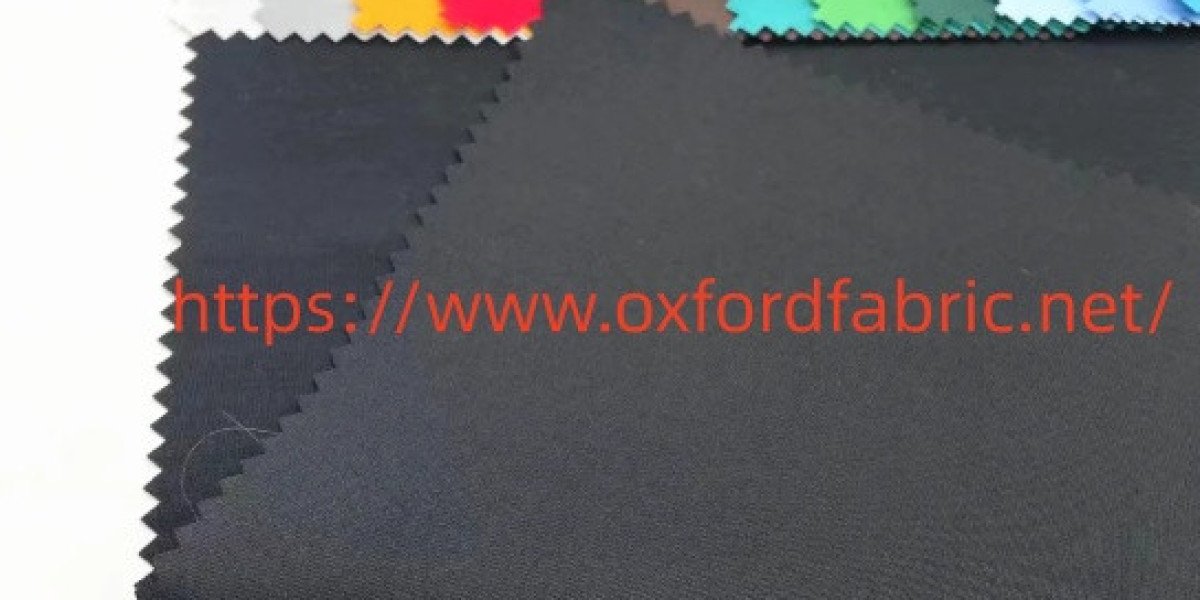
rpet fabric is a recycled polyester material made from post consumer plastic bottles, designed to reduce resource consumption while maintaining practical textile performance. By transforming discarded plastic into usable yarn, manufacturers create woven and knitted materials suitable for bags, apparel, and outdoor gear. Oxfordfabric provides recycled polyester textile options that support brands seeking environmentally conscious material solutions without sacrificing functional requirements.
In bag production, durability remains a primary concern. Backpacks, shopping totes, and travel luggage experience frequent handling and friction during daily use. Recycled polyester yarn can be woven into structures that offer reliable tensile strength and tear resistance. When combined with appropriate coating processes, the material can also provide water resistance for commuting and light outdoor exposure. This makes it a practical option for brands aiming to combine sustainability messaging with long term usability.
Apparel applications require a different balance between structure and comfort. In jackets, uniforms, and casual outerwear, recycled polyester fibers can deliver lightweight performance and dimensional stability. Breathability and surface texture depend on yarn thickness and weaving or knitting techniques. Manufacturers often adjust fabric density and finishing treatments to meet seasonal design needs. As sustainability becomes a key purchasing factor, apparel companies are increasingly considering recycled inputs in their sourcing strategies.
Outdoor gear places additional demands on textile materials. Tents, picnic blankets, equipment covers, and folding chairs must handle exposure to sunlight, moisture, and repeated folding. Recycled polyester constructions can be engineered with coatings or laminated backings to improve water resistance and surface protection. Strength at stress points, such as seams and reinforced corners, is influenced by yarn quality and weaving precision. This demonstrates that recycled content can still meet technical expectations when properly processed.
Beyond performance, traceability and certification have become important aspects of recycled textile production. Many brands now request documentation verifying the recycled origin of raw materials. Transparent supply chains help manufacturers communicate environmental efforts to distributors and end consumers. By offering clear technical data and stable production standards, suppliers can support brands building responsible product lines.
Oxfordfabric focuses on producing woven recycled polyester textiles with attention to consistency and practical application. Through controlled weaving processes and careful material inspection, the company aims to provide reliable specifications for bag makers, apparel producers, and outdoor equipment brands. Material options may include different denier counts, coating types, and color finishes to match diverse design requirements.
As environmental awareness continues to shape the textile industry, recycled materials are becoming integrated into mainstream manufacturing rather than niche projects. Designers evaluate cost efficiency, durability, and sustainability together when planning new product collections. Recycled polyester textiles offer an approach that aligns environmental consideration with functional performance in everyday products.
For brands interested in incorporating recycled polyester materials into bags, apparel, or outdoor gear, working with a stable supplier is essential for long term cooperation. More information about available textile solutions can be found at https://www.oxfordfabric.net/product/oxford-fabric/