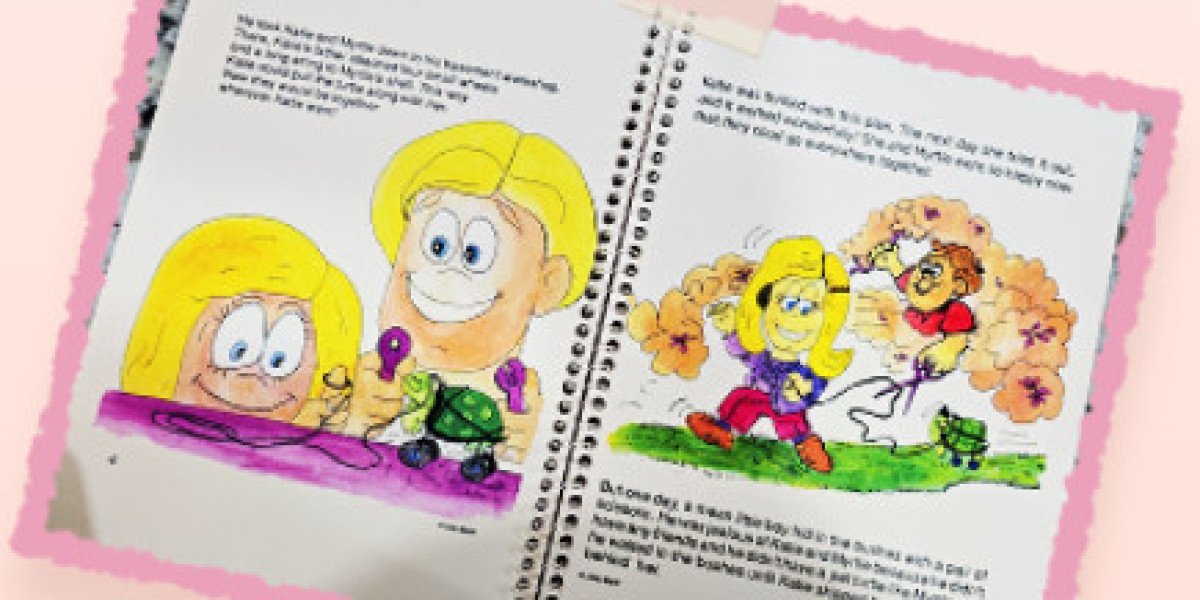
Children’s books play a powerful role in shaping a child’s imagination, language skills, emotional understanding, and overall development. From colorful picture books to early chapter books and moral stories, these books are often a child’s first introduction to reading and storytelling. They not only entertain but also educate, inspire creativity, and help children understand the world around them in a safe and engaging way.
In today’s digital age, where screens dominate much of a child’s attention, children’s books remain an essential tool for cognitive and emotional growth. Parents, teachers, and caregivers continue to rely on them to build strong reading habits and support early learning. This article explores the importance of children’s books, their benefits, different types, and how to choose the right ones for kids.
The Importance of Children’s Books
Children’s books are more than just stories on paper. They are carefully designed tools that help shape young minds. Early exposure to reading improves vocabulary, comprehension, and communication skills. When children read or are read to, they begin to understand how language works, how stories are structured, and how ideas can be expressed clearly.
One of the most important benefits of children’s books is emotional development. Stories often include characters who experience joy, fear, sadness, kindness, and conflict. By following these characters, children learn empathy and emotional awareness. They start to understand how others feel and how to respond to different situations in real life.
Additionally, children’s books introduce moral values such as honesty, respect, sharing, and responsibility. Many classic and modern stories are built around simple life lessons that help guide children’s behavior in positive ways.
How Children’s Books Support Learning
Children learn best when information is presented in a fun and engaging way. Books designed for children often use bright illustrations, simple language, repetition, and rhythm to make reading enjoyable and easy to understand.
Here are some key educational benefits:
- Language Development
Children’s books introduce new words and phrases in context. This helps children expand their vocabulary naturally. Repetition in stories also improves memory and pronunciation.
- Cognitive Skills
Storytelling encourages children to think critically. They begin to predict outcomes, understand cause and effect, and follow sequences of events.
- Focus and Attention
Regular reading helps children improve concentration. Listening to or reading stories requires attention, which strengthens their ability to focus on tasks in school and daily life.
- Creativity and Imagination
Illustrated stories allow children to visualize characters and worlds beyond their own environment. This strengthens imagination and creative thinking skills.
Types of Children’s Books
There are many types of children’s books, each designed for different age groups and learning stages. Choosing the right type is important for keeping children engaged and interested in reading.
- Picture Books
Picture books are ideal for toddlers and preschoolers. They contain large, colorful illustrations with minimal text. These books help children connect images with words and build early recognition skills.
- Board Books
Board books are made of thick, durable pages for very young children. They often include simple words, shapes, numbers, and basic concepts.
- Early Reader Books
These books are designed for children who are beginning to read independently. They include short sentences, simple vocabulary, and supportive illustrations.
- Chapter Books
Chapter books are suitable for older children who are ready for longer stories. They introduce more complex plots and character development while still being age-appropriate.
- Educational Books
These books focus on subjects like science, history, animals, and nature. They are designed to teach while still being engaging and visually appealing.
- Moral and Folktale Books
These books often include traditional stories, fairy tales, and fables that teach life lessons and cultural values.
The Role of Illustrations in Children’s Books
Illustrations are a key part of children’s books. For younger readers, pictures often carry as much meaning as the text itself. Bright and expressive illustrations help children understand the story even if they cannot read every word.
Illustrations also stimulate imagination and help children connect emotionally with characters. A well-illustrated book can turn reading into a visual adventure, making it more enjoyable and memorable.
How to Choose the Right Children’s Book
Selecting the right book depends on the child’s age, interests, and reading level. Here are some helpful tips:
- Choose age-appropriate content
- Look for simple and clear language for beginners
- Select books with engaging illustrations
- Pick stories with positive messages and relatable characters
- Consider the child’s interests, such as animals, superheroes, or adventure stories
- Encourage variety to build broader knowledge and curiosity
Parents and teachers should also involve children in the selection process. When children choose their own books, they are more likely to enjoy reading.
The Role of Parents and Educators
Parents and educators play a major role in developing a child’s love for reading. Reading aloud to children from an early age creates a strong foundation for literacy. It also strengthens bonding and communication between adults and children.
Teachers can use children’s books in classrooms to make learning more interactive. Story-based learning helps students understand subjects better and retain information longer.
Creating a reading routine at home, such as bedtime stories, also encourages consistency and builds lifelong reading habits.
Children’s Books in the Digital Age
With the rise of e-books and audiobooks, children now have more ways to access stories. Digital children’s books often include interactive features such as sound effects, animations, and read-along narration.
While digital books are convenient and engaging, printed books still hold a special value. Physical books help reduce screen time and allow children to experience reading in a more focused and tactile way. A balanced approach using both formats can be highly beneficial.
Conclusion
Children’s books are essential tools for early development, learning, and imagination. They introduce language skills, teach important life lessons, and inspire creativity in young minds. Whether in print or digital form, these books help shape a child’s understanding of the world and build a strong foundation for future learning.
By choosing the right books and encouraging regular reading habits, parents and educators can help children develop a lifelong love for reading. In the end, a good children’s book is not just a story—it is an experience that stays with a child forever, shaping their thoughts, emotions, and dreams.