
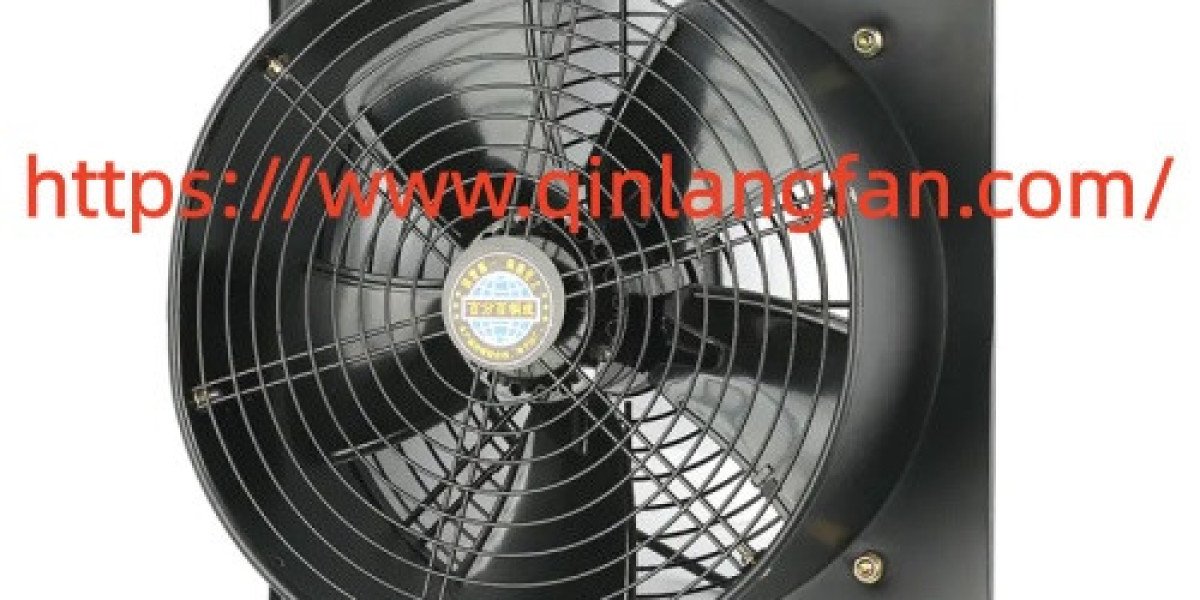
AC Axial Flow Fan options often come into play when facilities need consistent air circulation without complicated setups. Picking one that actually suits the space takes some thought because every area brings its own challenges from high ceilings to tight duct runs. Getting the match right early avoids frustration later.
Start by measuring the actual area and thinking about what the air needs to do. A workshop with lots of heat sources calls for different movement than a storage room that mainly needs fresh air exchange. Calculate rough volume and consider how many air changes per hour make sense for the activity inside. This step grounds the rest of the decision.
Next look at the path the air will travel. Straight shot through open space or pushed through long ducts changes the requirements noticeably. Units designed for higher resistance handle filters and bends better while simpler models move larger volumes where pressure stays low. Sketching the layout on paper helps visualize these differences before talking to suppliers.
Power availability matters too. Check voltage and whether single phase or three phase fits the electrical panel. Some locations need weather resistant housings or motors that tolerate dust and moisture. Thinking through these details prevents last minute changes during installation.
Noise plays a practical role in many choices. Areas near offices or assembly lines usually need quieter operation while remote mechanical rooms allow more flexibility. Blade shape and speed affect sound output so comparing ratings at similar airflow points gives a clearer picture.
Mounting style affects how much space the unit takes and how easily crews can service it later. Inline configurations save room in crowded ceilings while wall or roof mounts work for direct exhaust. Consider access panels and clearance around the fan for routine checks.
Qinlang produces a range of these fans with common configurations that address typical project needs. Their designs focus on practical installation and standard components that maintenance teams already know how to handle.
Control options add flexibility for many users. Basic on off switches work in simple setups but variable speed drives let operators adjust flow as conditions change through the day or season. Integrating with existing building systems can improve overall efficiency without major overhauls.
Budget conversations usually include not just purchase price but expected operating costs over several years. Energy consumption varies with motor type and how the system runs so reviewing typical duty cycles helps frame the numbers realistically.
Installation crews often emphasize proper alignment and secure mounting to minimize vibration from day one. Taking time during setup reduces follow up adjustments and keeps everything performing as intended. Many teams schedule a follow up check after the first month of operation to catch any settling issues.
The right choice supports daily operations without drawing extra attention. When air moves where it should people focus on their work instead of adjusting fans or dealing with hot spots. Small details in the selection process add up to noticeable differences in comfort and reliability across seasons.
For additional model information and specifications visit https://www.qinlangfan.com/







