
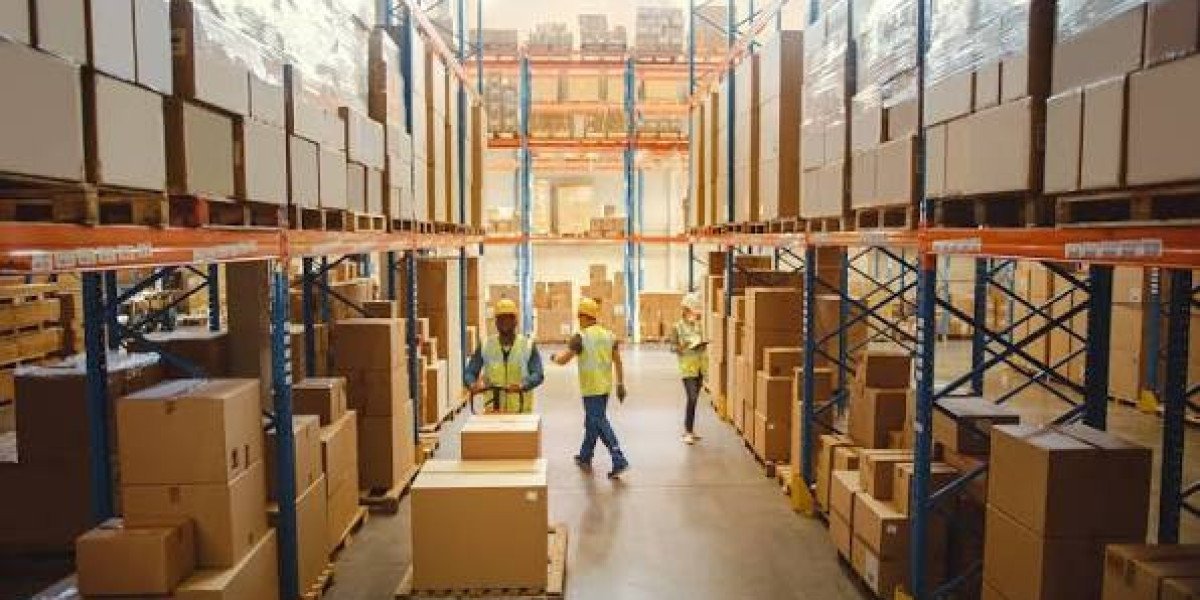
If you walk into a messy warehouse today, you will notice the problems instantly. Workers spend half their shift looking for misplaced boxes. Forklifts get stuck in narrow aisles. Orders sit on packing tables waiting for missing paperwork. It is frustrating for staff, and it drains profit from the business every single hour.
Warehouse optimization changes all of that. It is not just about sweeping floors or tidying up shelves. It is about redesigning how goods move into, through, and out of a building. When you organize your space, streamline your daily routes, and use simple tracking tech, your whole shipping setup speeds up. Orders go out faster, mistakes drop, and your customers stay happy.
Let's look at how fixing your warehouse transforms your entire distribution network.
The Hidden Cost of a Disorganized Warehouse Floor
Running a warehouse without a clear plan costs far more than most managers realize. When workers do not know exact item locations, they end up walking back and forth across the floor dozens of times a day. All those extra steps add up to hours of wasted labor.
Slow order picking leads directly to delayed shipping trucks. When trucks sit idle at loading docks waiting for late packages, shipping companies charge extra fees.
On top of that, lost stock causes big financial headaches:
- Over-ordering items: Managers buy extra inventory simply because they cannot find the stock already sitting on high shelves.
- Damaged goods: Boxes piled up in walkways get bumped, crushed, or dropped by accident.
- Customer cancellations: Buyers cancel orders when shipments miss their promised delivery dates.
Fixing these small daily headaches saves serious money. When every product has a designated spot, workers pick items in seconds rather than minutes.
Rethinking Your Layout for Real Speed
The fastest way to fix a slow warehouse is to change how you arrange your inventory. Not every product moves at the same speed. Some popular items sell every hour, while specialty products might sit on shelves for months.
Smart warehouses use a method called "inventory slotting." They place fast-selling items near the front, right next to the packing and shipping area. Workers can grab top sellers without walking down long side aisles.
Slow-moving items go up high or near the back of the building. You also want to create clear, wide traffic lanes so forklifts and hand carts can pass each other without stopping. Removing physical bottlenecks keeps workers moving safely and smoothly through their shift.
How Modern Technology Fits into Daily Operations
You do not need an army of expensive robots to optimize a warehouse. Simple digital tools do most of the heavy lifting for you.
Smart Inventory Tracking
Ditch paper clipboards completely. Handheld barcode scanners and digital inventory systems track every item the moment it arrives at the loading dock. When a worker scans a box, the system updates your stock count instantly. Anyone on your team can look at a screen and see exact shelf coordinates in real time.
Automated Systems and Pick Routes
Warehouse management software creates smart picking lists for your team. Instead of picking orders randomly, the system guides workers along the shortest walking path through the building. They pick items for multiple orders in one single loop, cutting walking distance in half.
Keeping Regional Supply Chains Moving Smoothly
A well-organized warehouse does not just help one local business. It keeps whole regional economies moving. Across busy commercial trade hubs, large distribution facilities act as the core bridge between factories and store shelves.
When regional hubs operate efficiently, local shop owners get their stock on time without paying high shipping markups. For example, reliable wholesale suppliers in saudi arabia rely on optimized warehouse layouts to handle massive product lines every day. Having clear racking systems and digital logs allows these large suppliers to fulfill bulk retail orders quickly, keeping store shelves filled across entire cities.
Why Food and Perishable Goods Need Extra Attention
Handling fresh food, dairy, or frozen products requires an even higher level of warehouse discipline. Perishable items have strict expiration dates. If cold storage items sit in a warm packing area for too long, they spoil and must be thrown away.
Optimized food warehouses use a strict First-In, First-Out system. The oldest stock always gets picked and shipped first.
Slotting systems guide pickers directly to the oldest batch automatically. Partnering with a trusted Top food distributor KSA shows how precise warehouse tracking protects product freshness from storage freezer to delivery van. Fast order assembly means refrigerated trucks spend less time waiting at loading bays, keeping the cold chain solid from start to finish.
Practical Steps to Optimize Your Warehouse Today
You do not have to shut down your business to upgrade your facility. You can make progress with simple, steady steps:
- Clean out dead stock: Sell off or clear out damaged, outdated inventory that takes up valuable space.
- Label every shelf clearly: Use bold labels and clear rack numbers so new workers find items without asking for help.
- Review your top 20% products: Move your highest-selling items closer to the packing station today to cut down worker walking time.
- Train workers on scanner habits: Make sure every team member scans items immediately upon moving them to stop lost stock errors.
Lowering Daily Expenses While Cutting Waste
An optimized warehouse cuts operational costs in subtle ways. When pickers follow short, logical routes, you wear out forklift tires and battery chargers far less often.
Accurate order picking means fewer incorrect items get shipped out. Every time a customer returns a wrong package, your business pays double for shipping and restocking. Cutting picking errors down to near zero eliminates those extra costs completely.
Good lighting and clear floor markings also keep your team safe. Fewer workplace slips and trips mean lower insurance costs and less lost work time. Optimization protects both your bottom line and your people.
Final Thoughts on Building an Efficient Distribution Network
Trying to run a fast modern business with an unorganized warehouse is nearly impossible. Customers expect fast deliveries, clear tracking, and correct items every time they order.
Optimizing your storage floor, updating layout paths, and using basic digital tracking gives your business a huge edge. You cut unnecessary walking time, keep inventory safe, and get trucks out on the road faster.
Take a close look at your warehouse floor today. Find the slow spots, rearrange your top sellers, and train your staff on smart tracking habits. A lean, organized warehouse keeps your shipping fast, your expenses low, and your business growing smoothly for years to come.







