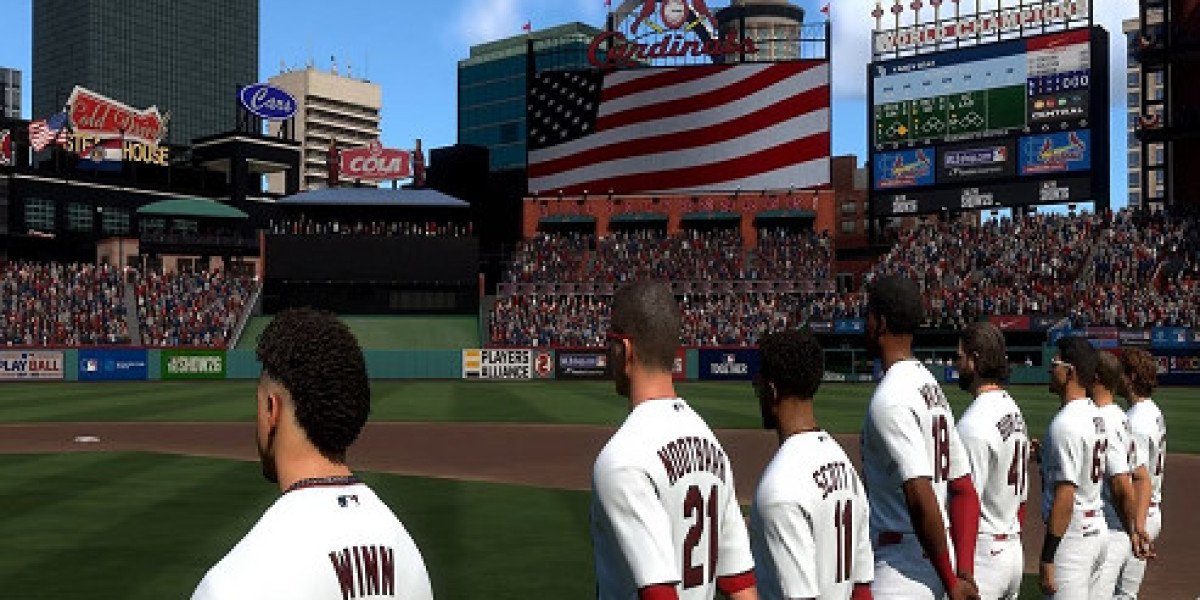
Coming back to Diamond Dynasty in August can feel like walking into a clubhouse after everybody's changed uniforms. There are new programs, fresh cards, and plenty of names people swear you need. Don't let that push you into rushing decisions. Start by looking at what your current squad actually lacks, then use your time and MLB 26 Stubs where they'll make a difference right away. A returning player usually doesn't need a complete rebuild. Maybe your shortstop is still fine, but your bullpen is getting knocked around. Maybe the lineup has power, yet nobody can cover ground in centre field. That's the stuff worth fixing first. Give yourself a few games before deciding that every new 99-rated card is essential.
Begin With Rewards You Can Earn
The first stop should be the active programs. They're often the quickest route back to a respectable team because the rewards don't cost anything beyond time and a little focus. The Hall of Fame Program is a strong place to begin, especially if Carlos Beltrán fits your outfield. His switch-hitting gives you options against either side, and he can handle more than one spot without making the defence feel shaky. Andruw Jones is another card that makes sense for a returning squad. He brings range, arm strength, and enough pop to stay useful even if he isn't your favourite hitter. Don't feel obliged to finish every program, though. Trade Deadline, Field of Dreams, Arenado, Spotlight, and Takeover content should be treated like a menu, not a checklist. Check the path, find the cards or packs that solve a real problem, and work toward those. If a reward won't start for you, it can wait.
Spend for Holes, Not Hype
A common mistake is seeing one popular collection reward and throwing nearly every Stub at it. It's easy to understand why. Big overall numbers look great on the card screen. But one expensive player doesn't always change how your team plays. Before buying anyone, ask a few plain questions. Does he replace someone who's costing you games? Will he still be in the lineup next week? Could the same amount improve a starter, a reliever, and a bench bat instead? The market moves when new packs and programs arrive, so keeping some currency ready matters. Prices can drop fast. You'll also want room to react when a card you actually like becomes more affordable. It's usually smarter to improve two weak areas than to spend everything on a single name just because everyone else is using him.
Use Cards That Feel Right
Ratings help, but they don't swing the bat for you. Anybody who has played Ranked for a while knows there are cards with huge attributes that somehow never click. Then there's a player with lower numbers whose swing just feels clean every time. That's the player you keep. Give new hitters a proper trial in Ranked Seasons or Events before making them permanent. Watch your PCI placement, not just the results. A couple of lucky home runs can fool you, while a hard-hit out with good timing tells a different story. Names such as Troy Tulowitzki, Victor Martinez, Ken Singleton, Kyle Schwarber, Ray Durham, and Lance Berkman can all offer something useful, but their value depends on your own timing. The same goes for the bench. Carry hitters who can cover lefty-righty matchups, run late, or fill an unexpected defensive position. Those small choices win more close games than people admit.
Make Pitching the Next Priority
Once the lineup can score, take a hard look at the staff. A solid rotation and a dependable bullpen can change your results faster than adding another power bat. Look beyond overall rating when you're choosing arms. Pitch mix, control, release point, movement, and speed separation matter a lot. A pitcher with a fastball, a useful off-speed pitch, and something that moves away from barrels can be miserable to face if you locate well. Don't write a pitcher off after one rough outing either. Some cards need a few appearances before you learn where their sinker runs or how far their slider breaks. Test starters against different opponents. Use relievers in real pressure spots. If you can't throw their best pitches for strikes when the count matters, the card probably isn't worth keeping, no matter how impressive the attributes look.
Final Thoughts
The best August catch-up plan is simple: earn the useful program rewards, patch the weakest parts of your roster, and leave yourself room for what comes next. You don't need every card to field a team that can compete. A lineup you trust, pitchers you can locate, and defenders who make routine plays will take you a long way. If you decide to buy MLB Stubs, use them with a clear purpose instead of chasing the latest release. Keep testing, make changes when a player isn't working, and save a portion of your resources for the next wave of content.