
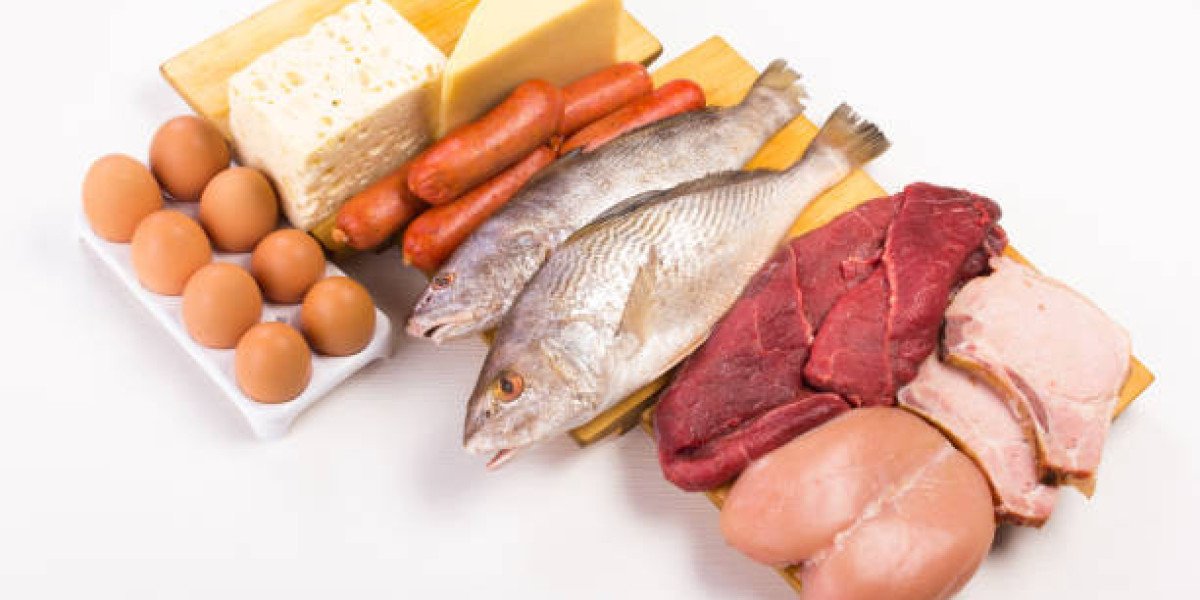
Animal Based Food and Beverage Market is evolving as consumers continue to value familiar nutrition, diverse product choices, convenience, and established culinary traditions. Products derived from animal sources remain an important part of food systems across many regions and include categories such as dairy, meat, seafood, eggs, and other animal-derived foods and beverages. Manufacturers are focusing on quality, safety, freshness, processing efficiency, and product innovation to respond to changing expectations. At the same time, shifting lifestyles are encouraging demand for convenient formats that fit modern eating habits. These developments are influencing how food companies approach production, packaging, distribution, and product development while maintaining attention to food safety and responsible sourcing.
Growing interest in animal-derived nutrition products is encouraging manufacturers to explore new product formats and processing approaches. Consumers increasingly evaluate food products through several factors, including nutritional composition, taste, convenience, quality, and sourcing practices. Producers are responding by improving processing systems, developing convenient formats, and enhancing transparency across supply chains. Innovation is also occurring in packaging and preservation technologies designed to maintain freshness and product quality. As consumers become more informed about food production, companies are paying greater attention to traceability and responsible sourcing. These trends are creating opportunities for businesses to differentiate products through quality, functionality, and transparent production practices.
Dairy products remain an important part of the broader animal-derived food landscape, with manufacturers continuing to introduce convenient and diversified formats. Milk-based beverages, cultured products, cheese, cream, and other dairy categories can be adapted to changing consumer preferences through packaging, flavor profiles, processing methods, and portion formats. Food companies are also investing in technologies designed to improve shelf stability and maintain sensory characteristics. Convenience is particularly important for consumers with busy lifestyles, encouraging manufacturers to develop ready-to-consume and easy-to-store products. Product quality and cold-chain management remain important considerations throughout distribution. Continued innovation in dairy processing can therefore contribute to greater product variety and improved consumer accessibility.
Meat and seafood categories are also experiencing changes in processing, packaging, and distribution. Consumers increasingly expect freshness, quality, convenience, and reliable information about product origins. Manufacturers are exploring improved preservation and packaging approaches that can help maintain product characteristics during transportation and retail. Traceability technologies can provide greater visibility into sourcing and supply-chain processes. Food safety remains a fundamental consideration, requiring careful control throughout processing, storage, and distribution. Companies are also evaluating resource-efficient production methods and responsible sourcing practices. These efforts can help address consumer expectations while supporting more resilient food supply chains. As retail formats evolve, convenient packaged products may continue gaining importance across animal-derived food categories.
Technology is playing an increasingly important role in food production and quality management. Automated processing equipment, digital monitoring, cold-chain systems, traceability platforms, and data-driven quality controls can improve operational consistency. Manufacturers can use digital technologies to monitor production conditions and identify potential quality issues more efficiently. Smart packaging and improved preservation methods may also contribute to freshness and product safety. In processing facilities, automation can support productivity while helping standardize repetitive operations. These technological developments are particularly relevant as food companies manage increasingly complex supply chains. Continued investment in food technology can support product quality while helping manufacturers respond to changing consumer and regulatory expectations.
Sustainability is another major consideration influencing animal-derived food production. Producers and manufacturers are examining resource efficiency, responsible sourcing, waste reduction, packaging improvements, and supply-chain optimization. Better utilization of raw materials can help reduce waste, while efficient processing systems may improve resource management. Companies are also exploring packaging alternatives that reduce unnecessary material use without compromising food protection. Sustainable sourcing practices can provide greater transparency around production systems and supply relationships. These initiatives reflect broader expectations from consumers, retailers, and industry stakeholders. Balancing food quality, affordability, environmental considerations, and responsible production remains an important challenge for businesses operating throughout the value chain.
The future outlook for the Animal Based Food and Beverage Market will be shaped by changing dietary habits, convenience, technology, food safety, sustainability, and product innovation. Manufacturers are likely to continue developing new formats while improving processing, packaging, traceability, and distribution systems. Consumer demand for transparency may encourage stronger communication about sourcing and production practices. Technology can further support quality control and supply-chain visibility, while sustainability initiatives may influence production decisions. Businesses that understand changing consumer expectations and adapt their portfolios accordingly may remain competitive. Overall, continued innovation across animal-derived food categories is expected to support a dynamic industry environment focused on quality, convenience, responsible production, and evolving consumer needs.
FAQs
Q1. What products are included in the Animal Based Food and Beverage Market?
The market includes various animal-derived categories such as dairy products, meat, seafood, eggs, and other animal-source foods and beverages.
Q2. What factors are influencing consumer demand?
Taste, nutrition, convenience, product quality, food safety, transparency, and changing lifestyles are important factors.
Q3. How is technology influencing the industry?
Automation, traceability systems, digital monitoring, preservation technologies, and smart supply-chain tools are improving production and quality management.


