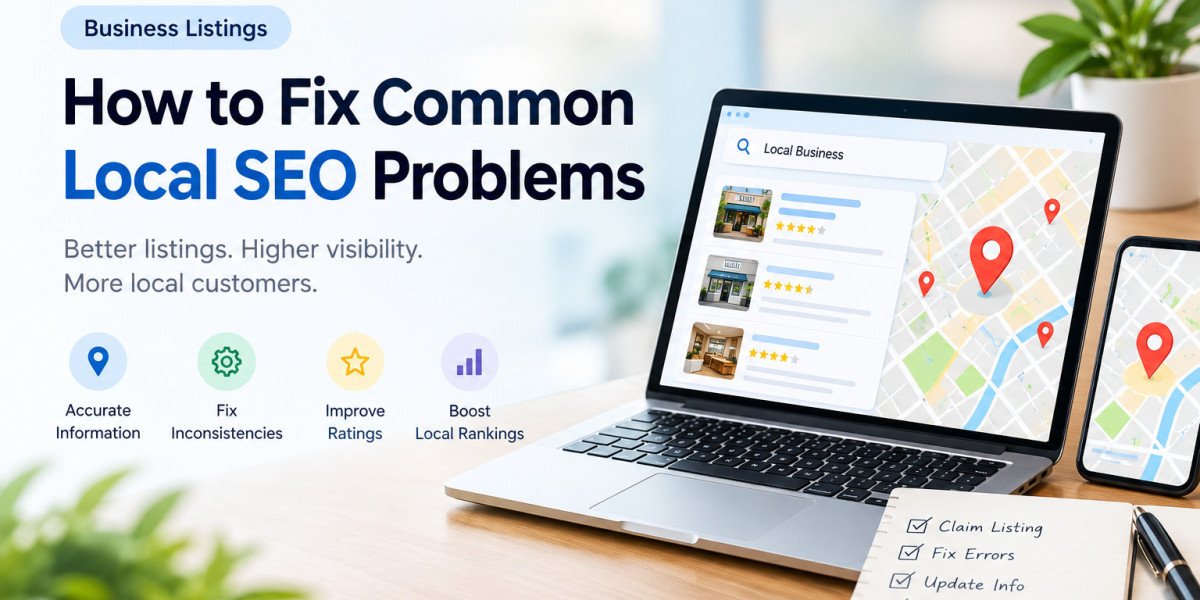
Finding a local business online should be simple. A customer searches for a service, checks the business name, address, phone number, hours, reviews, and website, and then decides what to do next. But when this information is missing, outdated, or inconsistent across different platforms, customers can become confused and may choose another business.
This is where business listings become important.
Business listings are online profiles or directory entries that provide essential information about a company. They can appear on search engines, maps, local directories, review platforms, and industry-specific websites. When managed properly, these listings can make it easier for customers to discover and understand a business.
Google explains that local business information can come from multiple sources, including official websites, third-party data, users, and business owners. This means keeping your information accurate across the web is an important part of maintaining a reliable online presence.
What Are Business Listings?
A business listing is an online record containing information about a company. Depending on the platform, it may include:
- Business name
- Address or service area
- Phone number
- Website
- Business category
- Opening hours
- Services
- Photos
- Customer reviews
- Business description
Google Business Profile is one well-known example, but businesses can also have listings on local directories, industry websites, map services, and review platforms.
The purpose is straightforward: give potential customers enough accurate information to understand what the business offers and how to contact or visit it.
Why Accurate Listings Matter
One of the most common local SEO problems is inconsistent business information.
Imagine that your website shows one phone number while an online directory shows another. Your current address may be listed on Google, but an old address could still appear on another directory. Even if these differences seem small, they can create unnecessary confusion for customers.
Correct business listings help establish consistency.
Google states that complete and accurate Business Profile information can make a business more likely to appear for relevant local searches. Google also considers factors such as relevance, distance, and prominence when generating local results.
This does not mean that creating dozens of listings automatically produces higher rankings. Instead, businesses should focus on accurate, useful, and trustworthy information.
Common Problems With Business Listings
Incorrect Business Information
A business may change its phone number, location, website, or opening hours without updating every online profile.
This is particularly common for businesses that have been operating for several years. Old directory pages can remain online long after the information has changed.
The solution is to create a list of your existing profiles and check the important details one by one.
Duplicate Listings
Sometimes the same business appears more than once on a platform. Duplicate profiles can confuse customers and make it harder to determine which listing represents the real business.
Google's guidelines state that there should generally be only one Business Profile per business location, subject to specific exceptions.
Before creating another profile, check whether an existing listing already represents the business.
Inconsistent NAP Information
NAP refers to Name, Address, and Phone number.
Consistency in these details is a basic part of managing local citations. Your business name should be represented accurately, your address should be current, and your primary phone number should be reliable.
The goal isn't to force identical formatting everywhere at any cost. The more important issue is avoiding conflicting information that makes it unclear whether different listings represent the same company.
Wrong Business Category
Another common problem is selecting a category that doesn't accurately describe the business.
Categories help search platforms understand what a business does. Google recommends selecting as few categories as necessary to describe the core business and choosing categories that are specific and representative.
Choosing unrelated categories simply because they contain popular keywords can create an inaccurate profile.
How to Create Correct Business Listings
Creating a useful listing starts with accurate information.
First, prepare a standard business information sheet containing your official business name, address, phone number, website, hours, primary category, service areas, and a short description.
Next, use this information when creating or updating profiles. This reduces the chance of accidentally entering outdated details.
You should also use the real-world business name rather than adding unnecessary keywords to the name. Google's guidelines specifically state that business names should reflect how the business is represented in the real world.
For example, adding extra service keywords or locations to a business name solely for search visibility can create compliance problems.
Keep Business Hours Updated
Incorrect opening hours can create a poor customer experience.
A person may travel to a location based on the hours shown online only to discover that the business is closed. Holiday hours and temporary changes can create additional problems.
Google allows businesses to provide regular and special hours through their Business Profile. Keeping this information current gives customers a clearer idea of when they can visit or contact the business.
Add Useful Photos and Descriptions
A listing shouldn't only contain basic contact details.
Relevant photos can help customers understand the location, products, services, or working environment. A clear business description can also explain what the company does and what customers can expect.
However, the description should remain useful and accurate. Google recommends focusing on information about the products, services, history, or characteristics of the business rather than using irrelevant promotional content.
Reviews Are Part of the Customer Experience
Reviews can influence how potential customers understand a business.
A business should monitor its reviews and respond professionally where appropriate. Responses can clarify questions, acknowledge feedback, and demonstrate that customer experiences are being taken seriously.
Google also provides review information and summaries on Search and Maps, making reviews another visible part of a local business's online presence.
The goal should be genuine customer feedback rather than artificially creating reviews.
How to Audit Your Listings
A simple listing audit can uncover many problems.
Start by searching your business name and location. Look for old addresses, incorrect phone numbers, duplicate profiles, outdated websites, incorrect categories, and missing information.
Then check important directories and platforms where your business is listed.
Create a spreadsheet with columns for:
- Platform
- Business name
- Address
- Phone number
- Website
- Category
- Hours
- Status
- Correction needed
This makes it easier to track which profiles have been checked and which still require updates.
Measure What Happens After Optimization
Listing management should not end after the information is corrected.
Google Business Profile provides performance data that can show how customers discover and interact with a profile. Available metrics can include searches, views, calls, website clicks, directions, messages, and other interactions depending on the profile.
Reviewing these metrics over time can help a business understand whether customers are finding and engaging with its online information.
Final Thoughts
Business listings are more than simple directory entries. They help customers find essential information about a company and can contribute to a consistent local online presence.
The most important approach is accuracy rather than quantity. Instead of creating random profiles across every available website, businesses should identify relevant platforms, provide complete information, correct outdated details, remove or address duplicates, and regularly review their listings.
Maintaining correct business listings can also make the customer journey easier. When people see consistent information about your business across search, maps, directories, and your website, they have fewer reasons to question whether the information is reliable.