
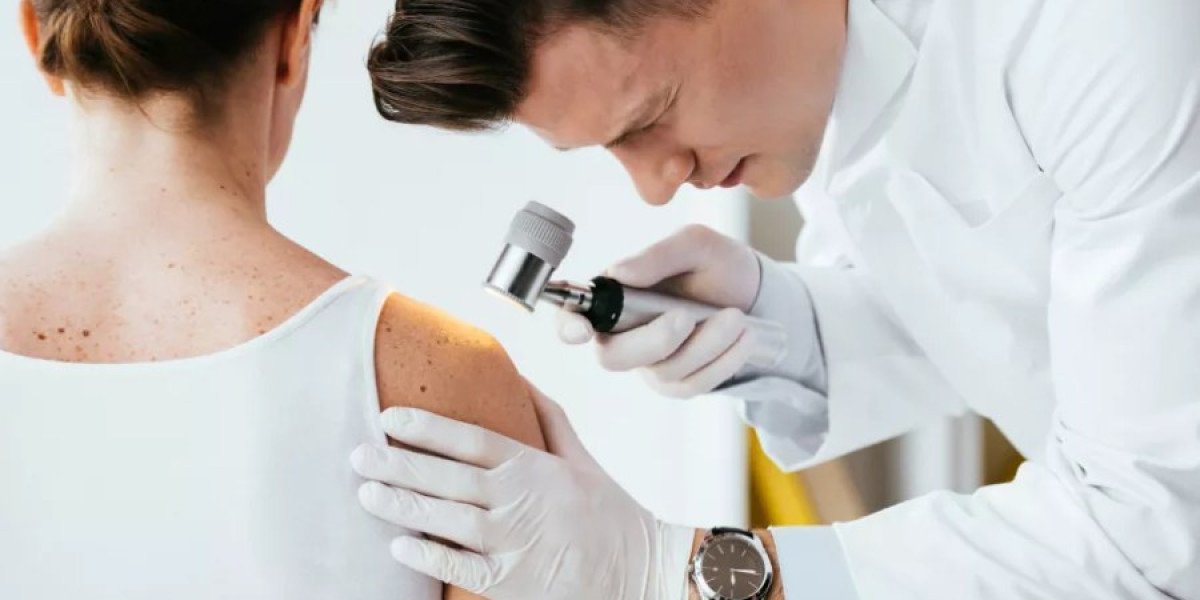
The teenage years bring many physical and hormonal changes, and the skin can be one of the first places where these changes become noticeable. Increased oil production, acne, clogged pores, sensitivity, and changes in skin texture are common during this stage of life. When breakouts become persistent or difficult to manage, consulting a Dermatologist in Islamabad can help teenagers and their families understand the underlying concern and choose suitable skin care rather than relying on unsuitable products or online trends.
Why Teenage Skin Changes
Hormonal changes during adolescence can stimulate the skin's oil glands. Increased oil production, combined with dead skin cells, can contribute to blocked pores and acne.
Not every teenager develops acne to the same degree. Genetics, skin type, lifestyle, skincare habits, and hormonal factors can all influence how the skin behaves.
Understanding that these changes are common can help teenagers approach their skin with patience rather than constantly trying aggressive products.
Common Teenage Skin Concerns
Acne is one of the most frequent dermatological concerns during adolescence. It may appear as blackheads, whiteheads, small bumps, or inflamed pimples.
Some teenagers may also experience excessive oiliness, enlarged-looking pores, post-acne marks, dryness from inappropriate products, or irritation caused by over-cleansing.
Each concern can require a different approach, which is why copying a friend's skincare routine is not always helpful.
The Importance of Gentle Cleansing
Teenagers with oily or acne-prone skin may feel that washing their face repeatedly will prevent breakouts. However, excessive cleansing can remove too much of the skin's natural oil and may lead to dryness or irritation.
A gentle cleanser suitable for the individual's skin can be enough for regular use. Scrubbing aggressively or repeatedly washing the face throughout the day is generally not necessary.
The goal should be to keep the skin clean without damaging its protective barrier.
Managing Oily Skin
Increased oil production is common during adolescence. Oily skin does not mean that the skin should be completely stripped of moisture.
Using excessively drying products may cause discomfort and irritation. A balanced routine can include gentle cleansing and a suitable lightweight moisturizer.
Products should be selected according to the individual's skin rather than simply choosing the strongest product marketed for oily skin.
Understanding Teenage Acne
Acne develops when hair follicles become blocked with oil and dead skin cells. Inflammation can then contribute to visible pimples and deeper lesions.
Mild occasional breakouts may be manageable with appropriate basic skincare. However, frequent, painful, or persistent acne may require professional assessment.
Early attention can also be useful because severe or repeatedly inflamed acne may leave behind pigmentation or scars.
Why Picking Pimples Is a Bad Habit
Teenagers may feel tempted to squeeze or pick at visible pimples, particularly before social events or important occasions. However, this can increase inflammation and potentially contribute to persistent marks or scarring.
Instead of physically removing pimples, it is better to follow an appropriate acne management plan and give the skin time to heal.
If acne is frequent or severe, professional guidance can help identify appropriate treatment options.
Post-Acne Marks and Skin Discoloration
A pimple may disappear while leaving behind a darker area of skin. These post-acne marks can sometimes remain for weeks or longer.
Sun exposure may make pigmentation more noticeable. Regular sun protection can therefore be an important part of managing acne-related discoloration.
It is also useful to avoid harsh products that cause unnecessary irritation, as inflammation can contribute to additional discoloration in some individuals.
Skincare Trends and Teenage Skin
Social media has made many skincare trends popular among teenagers. Products containing multiple active ingredients may look attractive online, but more products do not necessarily mean healthier skin.
Using several exfoliating or active products without understanding their purpose can result in dryness, burning, peeling, or increased sensitivity.
Teenage skincare is often better approached with simplicity and consistency rather than following every new trend.
The Role of Sun Protection
Sun protection is important at every age. Regular exposure to ultraviolet radiation can contribute to tanning, pigmentation, and other forms of skin damage.
Teenagers who spend significant time outdoors should consider making sunscreen part of their daily routine. Additional protection such as hats, shade, and appropriate clothing can also reduce direct sun exposure.
Hair and Scalp Concerns During Adolescence
Skin changes are not limited to the face. Hormonal and lifestyle changes may also affect the scalp and hair.
Dandruff, excessive oiliness, scalp irritation, or unusual hair shedding can sometimes occur during adolescence. Persistent symptoms should be evaluated rather than automatically attributed to normal teenage changes.
When Should a Teenager See a Dermatologist?
Professional advice may be useful when acne is persistent, painful, widespread, or leaving noticeable marks. A consultation can also be considered when skincare products repeatedly cause irritation or when a skin concern is affecting confidence and daily life.
A dermatologist can assess the skin and explain which treatment options may be appropriate based on the individual's condition.
Professional Dermatology Care at ARB Clinic
At ARB Clinic in Islamabad, Dr Afsheen Bilal provides dermatological consultation for teenagers and adults dealing with a variety of skin, hair, and scalp concerns.
For teenagers experiencing persistent acne, pigmentation, sensitivity, or other skin problems, professional guidance can help them understand their skin and develop healthier long-term habits.
The focus is on individual needs rather than recommending the same routine for every patient.
Building Healthy Skin Habits Early
The teenage years are a useful time to develop simple habits that can support skin health in the future. Gentle cleansing, appropriate moisturizing, regular sun protection, and avoiding unnecessary picking or harsh treatments can provide a strong foundation.
It is also important to remember that healthy skin does not mean completely flawless skin. Occasional pimples and natural variations are normal, and skincare should focus on maintaining health rather than achieving unrealistic perfection.
Lifestyle and Skin Health
Sleep, stress, nutrition, physical activity, and hydration are all part of overall well-being. Although lifestyle alone does not cause or cure every skin condition, maintaining healthy habits can complement appropriate dermatological care.
Teenagers should also avoid comparing their skin to edited images or unrealistic online standards. Individual skin varies naturally, and professional advice should be based on actual skin needs.
Conclusion
Teenage skin can change quickly because of hormonal and environmental factors. Acne, oily skin, clogged pores, pigmentation, and sensitivity are common concerns, but they do not need to be approached with complicated or aggressive skincare routines.
For teenagers and families looking for professional dermatological guidance in Islamabad, Dr Afsheen Bilal at ARB Clinic provides consultation for a range of skin, hair, and scalp concerns. With appropriate guidance and consistent habits, teenagers can learn how to care for their skin in a practical and healthy way.


