
Introduction
Stuck on the honeycomb again? You're not alone, and one missing pangram can sink the whole run. If you're hunting for today's nyt bee answer, here's the full rundown for the puzzle dated October 3, 2026.
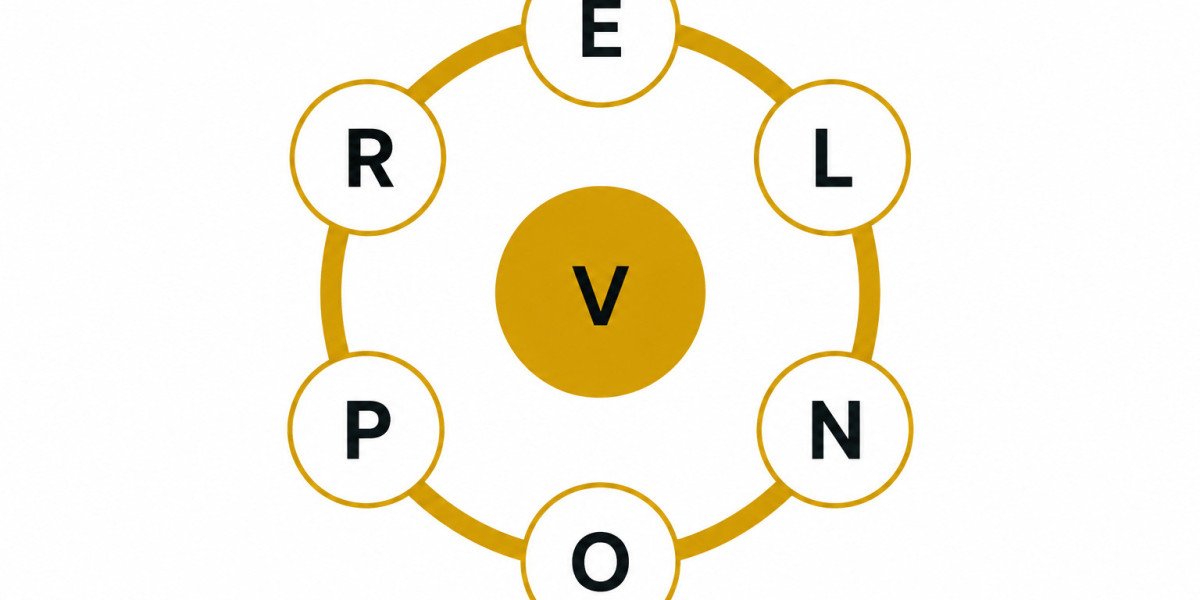
The letters are A, B, C, H, L, N and I, with I sitting in the center. There are 46 words in total, two pangrams, and a maximum score of 233. Genius starts at 164 points. Let's go through what's in the grid, how to attack it, and which words trip people up.
Today's Letters and Puzzle Stats
Every puzzle starts with the numbers, so let's get those out of the way. The seven letters are A, B, C, H, L, N and I, and the center letter, the one that has to appear in every word, is I. According to the breakdown on Today Spelling Bee Answers, there are 46 accepted answers and two pangrams. The maximum score is 233, and you need 164 points to reach Genius. That's about 70 percent of the total, which feels doable once the long words click.
Notice how vowel-light this set is. You only get A and I, so plenty of words lean on repeated consonants like L, C and N. That's why double-letter words such as bill, hill, chill and clinch show up so often. Think of it as a puzzle that rewards patience more than vocabulary.
The Two Pangrams
A pangram uses all seven letters at least once, and it's worth seven bonus points on top of its length. Today you get two of them, which is a nice gift. The first is bacchanalia, scoring 18 points, and the second is bacchanalian, scoring 19. They're basically the same word with an N added, so once you find one, the other is almost free. Not a bad deal, right?
Bacchanalia refers to a wild, drunken celebration, and it traces back to the Roman festivals honoring Bacchus, the god of wine. If "party" is the first thing that comes to mind, you're on the right track. It takes some nerve to try, though, because the double C and double A look strange on the screen. Start with "bacc" and see where the remaining letters lead you. Together, these two words are worth 37 points, which is nearly 16 percent of the whole puzzle.
Every Word by Length
Here's the complete list, grouped by length so you can tick off what you've already found. Four-letter words earn one point each, and everything longer scores its length. Skim for gaps rather than reading top to bottom. If you've got plenty of five-letter words but nothing at seven, that tells you exactly where to look next.
Four letters (14 words): acai, bail, bill, blin, chai, chia, chic, chin, hail, hill, inch, laic, lain, nail.
Five letters (15 words): abaci, alibi, blini, cabin, chain, chica, chili, chill, china, cilia, cinch, iliac, labia, lanai, lilac.
Six letters (7 words): acacia, chichi, clinch, clinic, labial, laical, niacin.
Seven letters (2 words): bacilli, hibachi.
Eight letters or more (8 words): bacchanalia, bacchanalian, biblical, bilabial, cannibal, chinchilla, clinical, clinician.
A few of these are sneaky. Both "blin" and "blini" are accepted, since one is the singular of the other, and plenty of solvers forget that pairing. "Laic" and "laical" both deal with laypeople, which isn't a word family most of us use daily. And "chinchilla" is a lovely find at 10 points, the single biggest score outside the pangrams.
How the Game and Scoring Work
If you're newer to this, the rules are simple but the scoring has a couple of quirks. The New York Times Spelling Bee gives you seven letters in a honeycomb. Every word must include the center letter, must run at least four letters, and can reuse any letter as many times as you like. A fresh puzzle goes live at 3:00 AM Eastern, every single day.
Points follow word length. A four-letter word gets one point, while a longer word earns points equal to its letter count. The pangram bonus adds seven more. Your rank then climbs from Beginner through Good, Amazing and Genius, and the very top is Queen Bee, which means you've found every valid word. Plenty of dedicated players also chase a personal goal called a Bingo, where you land at least one word starting with each of the seven letters. It isn't an official rank, just bragging rights.
Smart Ways to Use Hints
Sometimes you don't want the whole list. You just want a nudge. That's where the hints page comes in handy, and there's also a solver if you'd rather test your own guesses. The trick is to reveal as little as possible. Peek at the word count for a given length, or just the first letter, then go back to the grid and try again.
This particular puzzle has a few patterns worth knowing. Ten words begin with CH, from chai and chic all the way to chichi and chinchilla, so that prefix is a goldmine. Several others end in "ical" or "ial," like clinical, biblical, laical, labial and bilabial. Try those endings on any stem that feels incomplete. And don't skip the odd little words. Acai, chia and lanai are all everyday terms, yet they slip past a lot of players because they don't look like "real" puzzle words.
Yesterday's Spelling Bee Answers
Missed yesterday's puzzle? It happens to everyone, and sometimes a day just gets away from you. The yesterday page keeps the previous day's complete word list and pangram available. That's useful for two reasons. You can finish a streak you'd otherwise lose, and you can study the words that stumped you. Reading back through a finished list is honestly one of the best ways to train your eye for the next puzzle.
Frequently Asked Questions
What is a pangram in the Spelling Bee?
It's a word that uses every one of the day's seven letters at least once. Most puzzles have a single pangram, though some days, like today, have two.
How is the Spelling Bee scored?
Four-letter words are worth one point. Longer words earn their length in points, and a pangram adds seven bonus points to that total.
What does Queen Bee mean?
Queen Bee is the top status in the game. You've found every valid word on the list, not just enough to hit Genius.
Is the Spelling Bee free to play?
Playing on the official site requires a New York Times Games subscription. The answers, hints and pangram on this page, however, are free to read with no sign-up.
What time does the puzzle reset?
A new set of letters goes live at 3:00 AM Eastern, and the previous puzzle moves into the archive.
Wrapping Up Today's Puzzle
So that's the whole hive: two long pangrams, a heavy CH cluster, a handful of tricky endings, and 46 words in total. Don't feel bad if you needed a peek. The best players use a nyt bee answer list to learn, not just to finish. Take one or two words you didn't know, like laical or hibachi, and keep them in your back pocket. Tomorrow's honeycomb will be completely different, but your vocabulary won't reset at 3 AM.







