
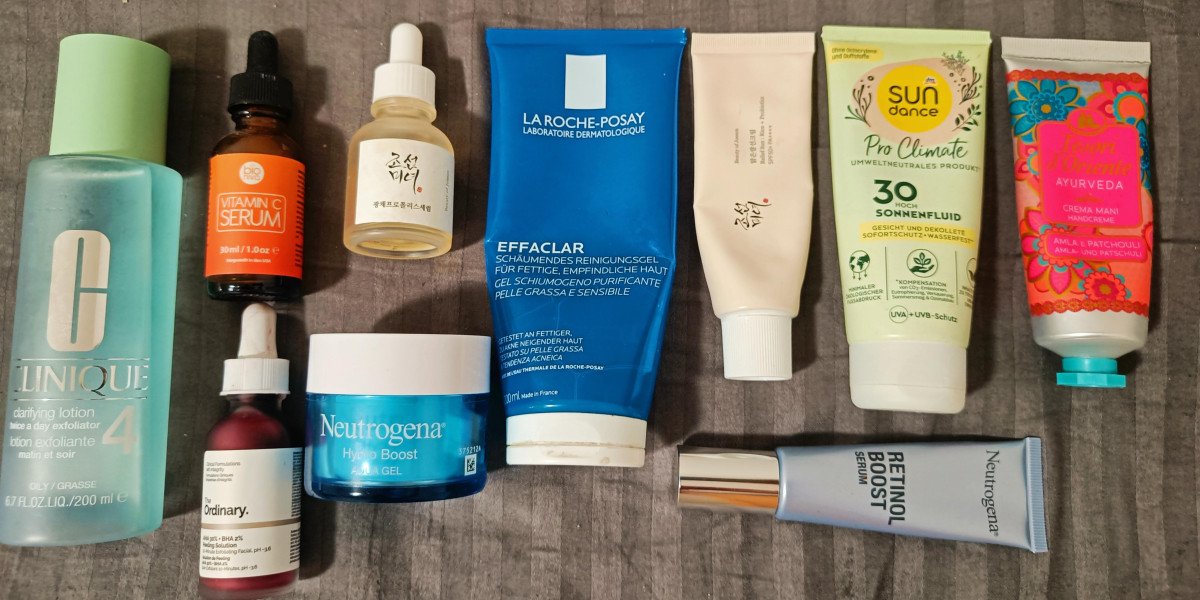
Anti Pollution Skincare Product Market opportunities are developing as beauty businesses respond to consumers seeking skincare that fits modern routines. People may look for products that help remove surface impurities, maintain hydration, and keep skin feeling comfortable after daily activities. This interest creates opportunities for established skincare companies, independent beauty labels, and online-first brands. Product categories such as cleansers, moisturizers, serums, and facial creams offer different ways to address consumer preferences. Companies that understand their audiences and provide dependable formulations can differentiate themselves through product quality, convenient packaging, accessible information, and a clear value proposition.
One opportunity involves developing urban skincare care formulations that respond to different cleansing and moisturizing preferences. Some consumers want lightweight products for daytime use, while others prefer richer creams or gentle cleansers for evening routines. These differences create room for brands to develop specialized ranges rather than relying on a single product for every customer. Formulation decisions should consider texture, stability, usability, and intended skin type. Clear product descriptions can help shoppers understand the purpose of each formulation and make more informed selections based on their own routines.
Product innovation can help brands compete in an increasingly crowded beauty marketplace. Companies may explore convenient formats, combinations of cosmetic functions, and formulations designed for different personal-care preferences. Multifunctional products can appeal to shoppers seeking simpler routines, while specialized serums and creams may suit those who prefer multiple skincare steps. Innovation should be supported by appropriate product testing and quality controls. Brands should also ensure that claims accurately describe the intended cosmetic benefits. Responsible development helps businesses differentiate their offerings while avoiding unrealistic expectations about what a skincare product can achieve.
Packaging provides another way to improve product appeal and usability. Pumps, tubes, jars, and travel-sized containers each offer different advantages depending on the formulation and intended use. Consumers may value hygienic dispensing, easy storage, portability, or convenient application. Packaging also needs to preserve product quality and communicate instructions clearly. Businesses can evaluate design choices by considering stability, usability, material selection, and customer feedback. Attractive presentation can help a product gain attention, but practical functionality is equally important. Brands that combine convenient packaging with reliable formulations can create a stronger overall consumer experience.
Digital marketing and e-commerce offer valuable opportunities for businesses of different sizes. Online stores can present ingredient information, product benefits, usage instructions, and customer reviews in one place. Social media content can demonstrate how products fit into everyday skincare routines and explain differences between product formats. Smaller brands can use digital channels to develop a recognizable identity and connect directly with consumers. However, promotional content should remain accurate and consistent with product capabilities. Clear descriptions, responsive customer support, and transparent purchasing policies can help turn online interest into lasting customer relationships.
Customer segmentation can make product development and marketing more relevant. Some consumers prioritize gentle cleansing, while others focus on hydration, lightweight textures, or compatibility with makeup and sunscreen. Preferences can vary according to climate, lifestyle, skin type, and personal habits. Brands can use customer reviews and market feedback to understand these differences without assuming that every consumer shares the same concerns. Well-organized product ranges and practical selection guides can make shopping easier. Businesses that respond to specific needs may strengthen their positioning and build a more loyal customer base.
Distribution strategy is important for reaching the right audience. Skincare brands may sell through online marketplaces, direct-to-consumer websites, pharmacies, beauty retailers, department stores, and specialist outlets. Each channel offers different opportunities for product discovery and customer education. Retail partnerships can improve visibility, while e-commerce can provide broader geographic reach. Businesses must also manage product availability, inventory, pricing, and fulfilment to deliver a consistent experience. Dependable supply and clear communication are particularly important when customers want to repurchase products they already use as part of their regular skincare routine.
The outlook for the Anti Pollution Skincare Product Market creates opportunities for brands that combine thoughtful formulation, practical packaging, responsible marketing, and convenient distribution. Businesses can distinguish themselves by understanding customer preferences and explaining product benefits clearly. Quality control and realistic claims will remain important as consumers compare products and seek trustworthy information. Companies that listen to feedback and refine their offerings can respond more effectively to changing routines. A customer-focused strategy built around usefulness, consistency, and transparent communication can help skincare brands compete in a dynamic beauty market.
FAQs
What opportunities exist for skincare brands?
Brands can develop specialized formulations, improve packaging, expand online retail, and provide better product education.
Why is product differentiation important?
It helps consumers understand differences in product purpose, texture, usability, and intended benefits.
Which sales channels are useful?
Options include e-commerce, pharmacies, beauty retailers, and specialist skincare stores.


