
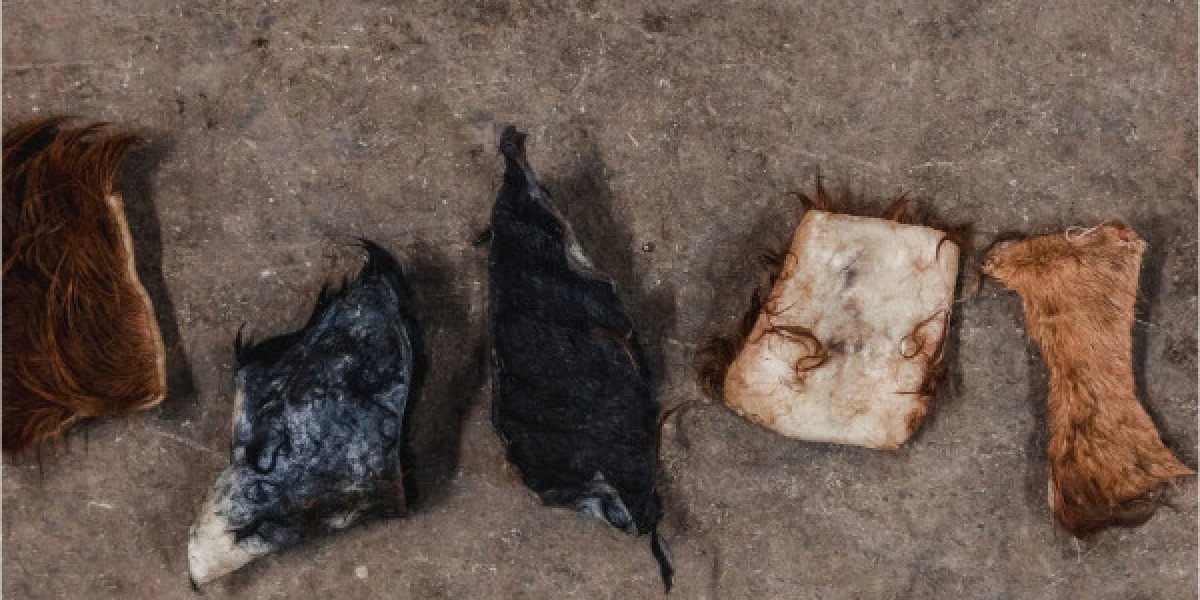
Dogs enjoy chewing for many reasons, including mental stimulation, natural exploration, and everyday enrichment. Providing an appropriate chewing product can give them an engaging activity and help redirect unwanted chewing away from household objects. However, pet owners should consider a dog's chewing habits, age, size, and dietary needs before introducing any edible chew.
Dog rawhide chips are small pieces of processed animal hide intended for dogs to chew. They may appeal to owners looking for compact chewing products, but their smaller size can also create safety concerns. Dogs that gulp food or swallow pieces without chewing thoroughly may face choking or digestive-obstruction risks. Understanding the product's ingredients, size, texture, and intended use is essential before adding rawhide chips to a dog's routine.
What Are Rawhide Chips for Dogs?
Rawhide chips are pieces of animal hide processed into smaller shapes for use as dog chews. Their thickness, texture, and preparation methods can vary between manufacturers. Some products may contain additional ingredients, while others have a simpler composition.
Because the word "chips" can describe different shapes and dimensions, pet owners should check the actual product specifications instead of assuming that every chip is suitable for small dogs.
Before purchasing, consider these factors:
- Ingredients: Read the complete label and check for ingredients your dog cannot tolerate.
- Size and thickness: Make sure the product is appropriate for your dog's chewing habits.
- Texture: Avoid products that are excessively hard, brittle, or likely to break into sharp pieces.
- Processing: Review the manufacturer's information about how the hide is prepared.
- Feeding instructions: Follow the product guidance and supervise every chewing session.
A straightforward ingredient list can make product evaluation easier, but it does not automatically guarantee safety.
Potential Benefits of Dog Rawhide Chips
Providing a Chewing Activity
Chewing is a normal canine behavior. An appropriate chew can provide an outlet for this activity and may help redirect attention away from furniture, shoes, and other household items.
However, rawhide chips are not suitable for every dog. If your pet bites off large pieces or swallows chews rapidly, ask your veterinarian about alternative enrichment options.
Supporting Mental Enrichment
Some dogs enjoy working on a chew during supervised downtime. This activity can complement walks, playtime, training, and interactive toys.
The amount of engagement varies by dog and product. Chewing should remain one part of a broader routine that includes exercise and social interaction.
Offering a Compact Chewing Format
Rawhide chips are generally smaller than many rolls or bone-shaped chews. Their compact format may be convenient for some feeding routines, but smaller pieces can be easier for certain dogs to swallow whole.
Always assess the actual dimensions in relation to your dog's mouth and chewing behavior. Small pieces should never be assumed safe simply because they are easy to handle.
Are Dog Rawhide Chips Safe?
Rawhide chips can pose choking and digestive risks, particularly when swallowed without sufficient chewing. Pieces may become soft and slippery during chewing, making them easier to gulp. Swallowed fragments can sometimes become lodged in the digestive tract.
Some dogs may also experience digestive upset after consuming rawhide. The level of risk depends on the product and the individual dog's behavior and health.
Follow these precautions:
- Supervise your dog continuously while chewing.
- Select a product suited to your dog's size and chewing strength.
- Remove pieces that become small enough to swallow.
- Discard damaged chips or pieces with sharp edges.
- Avoid rawhide for dogs that repeatedly gulp or swallow large pieces.
- Consult your veterinarian if your dog has a history of digestive or dental problems.
Seek prompt veterinary attention if your dog develops repeated vomiting, difficulty swallowing, abdominal pain, or other concerning symptoms after chewing. Difficulty breathing requires emergency care.
How to Choose the Right Rawhide Chips
Consider Your Dog's Size
A product that suits one dog may be unsuitable for another. Check the manufacturer's sizing guidance and observe how your dog handles the chew. Do not rely on breed or weight alone when assessing suitability.
Evaluate Chewing Habits
Gentle chewers may handle some products differently from powerful chewers. Dogs that break off large chunks or gulp pieces quickly may be better suited to non-edible enrichment toys or other alternatives recommended by a veterinarian.
Review Ingredients and Preparation
Read the product label carefully. Check for added flavorings, coatings, preservatives, and other ingredients that may not suit your dog. If your pet has known food sensitivities, verify the ingredients before feeding.
Consider Age and Dental Health
Puppies have developing teeth, while senior dogs may have sensitive teeth or other health concerns. Rawhide chips may not be suitable for either group without an individual assessment. Ask your veterinarian for guidance when uncertain.
Ugly Chews as an Option for Natural Dog Chews
Pet owners looking for minimally processed beef-hide products can consider Ugly Chews, a family-owned business offering natural beef-hide chews and single-ingredient dog treats.
The company sources cattle hides from ranch partners in Wyoming, Utah, and Idaho. The hides are cleaned with water and dried in direct sunlight without chemical treatments. Its product range includes hair-on hide rolls and chips, chunks, and scraps.
These products provide different formats for owners to consider, but beef-hide chews are not appropriate for every dog. In particular, smaller pieces can present swallowing risks for dogs that gulp their food. Always review product dimensions, supervise chewing, and remove small remaining pieces.
You can view the Ugly Chews Chips, Chunks & Scraps product page for product information and available options.
Alternatives to Rawhide Chips
If rawhide chips do not suit your dog, other options may provide suitable enrichment.
Rubber Chew Toys
Dog-specific rubber toys offer a non-edible activity. Choose the appropriate size and inspect the toy regularly for damage.
Soft Training Treats
Small, soft rewards may be more suitable for dogs that swallow harder chews quickly. Use them in moderation and account for their calories in the daily diet.
Veterinary-Recommended Dental Products
Some dental products are designed to support oral hygiene. Ask your veterinarian which options suit your dog's dental health and nutritional requirements.
No chew or toy is entirely risk-free, so supervision and appropriate product selection remain essential.
Feeding and Storage Guidelines
Follow the manufacturer's storage instructions and keep products in their recommended conditions. Inspect rawhide chips before serving and discard any with unusual odors, visible mold, unexpected moisture, or signs of contamination.
Treats and edible chews should generally account for no more than 10% of a dog's daily calorie intake, with the remainder coming from complete and balanced food. Always provide fresh drinking water.
Frequently Asked Questions
Are rawhide chips suitable for small dogs?
Not automatically. Small dogs can still choke on pieces that are unsuitable for their mouth or chewing habits. Follow product guidance and seek veterinary advice when necessary.
Can puppies eat rawhide chips?
Puppies have developing teeth and different chewing needs. Consult your veterinarian before introducing rawhide, and select products specifically appropriate for the puppy's age.
Do rawhide chips help clean teeth?
Chewing may remove some surface debris, but rawhide chips are not a substitute for regular toothbrushing or professional veterinary dental care.
How often can I give rawhide chips?
Frequency depends on the product, calorie content, and your dog's needs. Follow feeding instructions and include all treats within the daily calorie allowance.
What should I do if my dog swallows a chip?
Contact your veterinarian promptly for guidance, particularly if the piece was large or your dog shows symptoms. Seek emergency care for breathing difficulties.
Conclusion
Dog rawhide chips can provide a chewing activity for some pets, but their small size may increase swallowing risks for dogs that gulp or chew aggressively. Consider the product's ingredients, dimensions, and texture alongside your dog's age, health, and chewing habits.
For owners considering minimally processed beef-hide products, Ugly Chews offers options worth reviewing. Prioritize careful selection, continuous supervision, proper storage, and veterinary guidance to help keep your dog's chewing routine as safe as possible.


