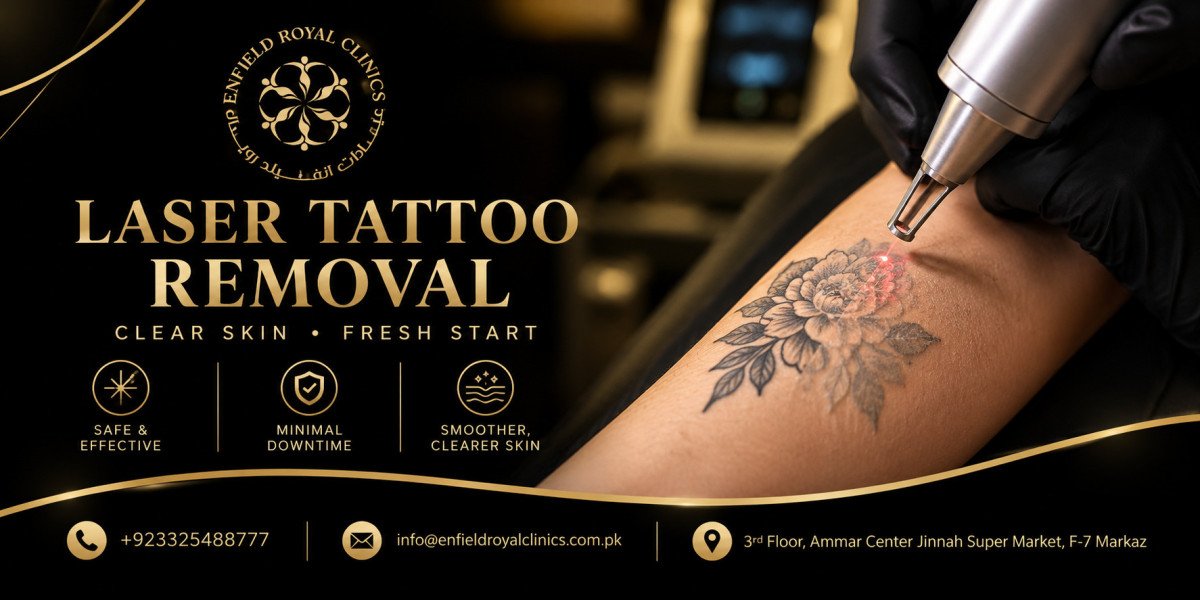
For individuals considering Tattoo Removal in Islamabad, modern laser treatments provide a way to gradually fade unwanted ink without surgically removing the entire area of skin in most cases. The treatment targets tattoo pigments beneath the skin, allowing the body to gradually clear the fragmented particles over time.
However, restoring natural skin does not always mean returning the skin to its exact original condition. Results depend on the tattoo's characteristics, the person's skin type, the treatment approach, and the healing process. Understanding these factors helps individuals make informed decisions and develop realistic expectations.
How Does Tattoo Removal Help Restore Natural Skin?
Laser tattoo removal works by delivering controlled pulses of light energy into the skin. The laser targets the tattoo pigment and breaks it into smaller particles that the body's natural processes can gradually remove.
As the pigment becomes less concentrated, the tattoo may appear lighter and less noticeable. With repeated sessions, some designs can fade substantially, allowing more of the person's natural skin tone to become visible.
The treatment does not remove the entire surface layer of skin. Instead, it is designed to target pigment beneath the surface while minimizing damage to surrounding tissue. This makes laser treatment a commonly used option for people who want to reduce unwanted tattoos.
The process usually requires multiple sessions because the body needs time to clear fragmented ink between appointments. The number of sessions depends on factors such as the tattoo's size, ink color, depth, and density.
For people exploring Tattoo Removal in Islamabad, an initial assessment can help determine whether laser treatment is suitable and what degree of fading may be achievable. Some tattoos become nearly invisible, while others leave faint outlines or residual pigment.
What Factors Affect the Return to Natural-Looking Skin?
The results of tattoo removal vary from person to person. Several factors influence how much the tattoo fades and how closely the treated area may resemble the surrounding skin.
Ink color: Black and dark-blue pigments often respond well to commonly used laser wavelengths. Green, yellow, turquoise, and certain other colors may be more difficult to remove because they absorb laser energy differently.
Tattoo depth and density: Ink placed deeper in the skin or applied in concentrated layers may require additional sessions. Dense tattoos may take longer to fade than designs containing lighter shading.
Skin tone: Skin tone affects the selection of appropriate laser settings. Careful planning is particularly important for darker skin tones because laser treatment can sometimes cause temporary or persistent changes in pigmentation.
Tattoo age: Older tattoos may have faded naturally, but their remaining pigment can still be difficult to remove. Age alone does not determine the final outcome.
Skin health and healing: The skin's natural healing response can influence recovery and the likelihood of complications. Existing skin conditions, previous scarring, certain medications, and earlier procedures may affect treatment suitability.
Tattoo location: Different body areas may clear fragmented pigment at different rates. Blood circulation and lymphatic activity are among the factors that can influence the pace of fading.
A qualified treatment provider should assess these characteristics before recommending a treatment plan. This helps establish realistic expectations and reduces the risk of unwanted skin changes.
Can Laser Tattoo Removal Improve Skin Texture and Appearance?
Tattoo removal is primarily intended to reduce unwanted pigment rather than treat every concern affecting the skin's texture. When a tattoo fades, the surrounding natural skin tone becomes more visible, which may create a more even overall appearance.
For example, a person with a dark tattoo on the arm may notice that the design becomes less prominent after several sessions. As the ink fades, the contrast between the tattoo and surrounding skin may decrease.
However, laser treatment cannot guarantee perfectly smooth or unchanged skin. Some tattoos are associated with existing scarring, particularly if the original tattooing process caused skin injury or if the person developed raised scars during healing.
Tattoo removal itself can also cause temporary redness, swelling, blistering, or changes in pigmentation. Less commonly, burns, scarring, or persistent light or dark patches may develop.
For this reason, restoring natural-looking skin requires more than simply removing visible ink. Treatment planning should also consider the condition of the skin before the procedure and the likelihood of healing without complications.
Individuals with a history of keloids, unusual scarring, or pigmentation problems should discuss these concerns during their assessment. A suitable treatment approach can help reduce risks, although no procedure can guarantee a particular cosmetic outcome.
What Happens During Tattoo Removal in Islamabad?
The process generally begins with a consultation and examination of the tattoo. The treatment provider reviews the tattoo's size, colors, depth, and location, along with the person's skin type, medical history, medications, and previous skin treatments.
Once the appropriate approach has been selected, the skin is prepared for the procedure. Protective eyewear is necessary because laser light can damage the eyes.
During treatment, the laser delivers short pulses of energy to the tattooed area. Some people describe the sensation as a quick snapping feeling against the skin. Discomfort varies depending on the location and size of the tattoo and the person's pain sensitivity. Cooling methods or other suitable comfort measures may be used.
After the session, the treated area may look red or swollen and feel tender. Temporary blistering or scabbing can also occur. These reactions should be managed according to the aftercare instructions provided.
The tattoo generally fades gradually rather than disappearing immediately. The body needs time to process the fragmented pigment, so treatment sessions are spaced apart to allow recovery.
People considering Tattoo Removal in Islamabad should ask about the likely number of sessions, possible side effects, expected recovery time, and the chance of residual pigment. Clear information helps them decide whether the procedure matches their goals.
How Can Proper Aftercare Support Natural Skin Recovery?
Aftercare is an essential part of tattoo removal because the treated skin needs time to recover. Following the recommended instructions helps reduce irritation and supports healing between sessions.
Important aftercare practices may include:
Keeping the treated area clean and following the recommended wound-care routine.
Avoiding scratching, rubbing, or picking at blisters and scabs.
Protecting the area from direct sunlight and using appropriate sun protection when advised.
Avoiding harsh exfoliants, irritating chemicals, and unapproved home remedies.
Following instructions about exercise, swimming, and activities that could irritate the treated skin.
Allowing enough time between sessions for the skin to heal.
Sun protection is particularly important because treated skin may be more sensitive to sunlight. Excessive exposure can increase the risk of pigmentation changes and make the recovery process more complicated.
Individuals should also avoid attempts to remove ink using scraping, burning, or strong chemical products. These methods can injure the skin and increase the risk of permanent scars.
Mild redness and swelling can occur after treatment, but worsening pain, spreading redness, pus, fever, or other signs of infection require prompt medical assessment.
Patience is equally important. Tattoo pigment may continue fading for weeks after each session, and the skin may need additional time to settle. Rushing treatment or ignoring aftercare instructions can increase complications rather than improve results.
Is Tattoo Removal the Right Choice for Restoring Natural Skin?
Tattoo removal may be a suitable option for people who want to reduce the visibility of unwanted ink and reveal more of their natural skin tone. It can also help individuals fade an existing design before considering a cover-up tattoo.
However, the expected result should be discussed carefully. Complete removal is not guaranteed, and the treated skin may not return to precisely the same appearance it had before the tattoo was applied. Residual pigment, faint outlines, changes in pigmentation, or textural differences may remain.
People with active skin infections, certain skin conditions, a history of raised scars, or other relevant health concerns may need additional evaluation before treatment. The decision should take into account both the desired cosmetic improvement and the potential risks.
A consultation can help determine whether laser removal is appropriate, which approach may be most suitable, and how many sessions might be needed. It also provides an opportunity to discuss alternative options, including fading the tattoo rather than attempting complete removal.
Ultimately, Tattoo Removal in Islamabad can help many individuals reduce unwanted ink and achieve a more natural-looking appearance. The most appropriate approach combines realistic expectations, careful treatment planning, adequate recovery time, and consistent aftercare.
Frequently Asked Questions
1. Can tattoo removal restore the skin to its original appearance?
Tattoo removal can make the natural skin tone more visible as the ink fades. However, the skin may not return to its exact original appearance. Residual pigment, scarring, or changes in skin color or texture can sometimes remain.
2. How long does it take for skin to look natural after tattoo removal?
The timeline varies depending on the tattoo, treatment intensity, and individual healing response. The skin may recover from immediate irritation within days or weeks, while fading continues over several weeks and across multiple sessions.
3. Does laser tattoo removal leave scars?
Scarring is possible but is not inevitable. The risk depends on factors such as the treatment approach, the person's healing characteristics, and the condition of the skin. Following aftercare instructions and avoiding picking at the treated area can help reduce complications.
4. How many sessions are needed to achieve natural-looking skin?
The number of sessions depends on the tattoo's size, colors, depth, and density, as well as the body's response to treatment. Multiple sessions are commonly needed, and an individual assessment can provide a more realistic estimate.