
Training is an important part of raising a well-adjusted puppy. From responding to basic commands to developing good walking habits, young dogs benefit from consistent practice and positive rewards. Treats can make these sessions more enjoyable by giving puppies a small reward when they respond correctly. However, not every snack is suitable for a puppy's developing teeth and digestive system.
When planning a reward routine, safe training treats for puppies should be small, easy to chew, made with suitable ingredients, and appropriate for the puppy's age. The right rewards help keep training sessions moving without adding too many extra calories. Pet owners should also consider their puppy's size, dietary needs, and any food sensitivities before introducing new treats.
Why Are Treats Useful During Puppy Training?
Treats can reinforce positive behavior by rewarding a puppy immediately after it performs a desired action. This approach helps create a positive connection between a command and the reward.
Small rewards are particularly useful during short training sessions because puppies can receive several rewards without eating large portions. Treats can be used when teaching commands such as:
- Sit
- Stay
- Come
- Leave it
- Down
- Walking calmly on a leash
Timing matters. Give the reward soon after the desired behavior so the puppy can connect the action with the positive outcome.
Types of Training Treats Suitable for Puppies
Different puppies may respond to different treat textures and ingredients. The following options can work as occasional rewards when served appropriately.
1. Soft Commercial Puppy Treats
Soft treats specifically made for puppies are convenient for training. Their texture can make them easier to chew than very hard biscuits or chews.
Check the product label for age recommendations, ingredients, and feeding instructions. Break larger treats into smaller pieces if appropriate.
2. Small Pieces of Plain Cooked Chicken
Plain, thoroughly cooked chicken without bones, skin, salt, or seasoning can be an occasional training reward for many puppies.
Cut the meat into tiny pieces that are easy to manage. Avoid fried or seasoned chicken and never offer cooked bones.
3. Small Fruit Pieces
Some fruits can provide occasional variety during training. Suitable examples may include:
- Small apple pieces without seeds or core
- Blueberries
- Tiny banana pieces
- Seedless watermelon without rind
Wash fruit thoroughly and serve only small portions. Grapes and raisins must never be given to dogs because they can be toxic.
4. Plain Cooked Vegetables
Small pieces of plain cooked carrot or green beans can be occasional rewards for puppies that tolerate them.
Avoid adding butter, salt, oil, sauces, or spices. Make sure the pieces are soft and small enough for the puppy to eat comfortably.
5. Single-Ingredient Treats
Some pet owners prefer treats with straightforward ingredient lists. Single-ingredient options can make it easier to identify what a puppy is eating, although they are not automatically suitable for every young dog.
For example, freeze-dried beef liver is a concentrated treat that should be offered in small amounts. Check the product's age guidance and introduce it gradually.
How to Select the Right Training Treat
A suitable training reward should be convenient to handle and appropriate for the puppy's development. Consider these factors before purchasing a product.
Check the Age Recommendation
Look for treats specifically labeled for puppies or with clear guidance about the minimum suitable age. Avoid assuming that an adult dog treat is appropriate for a young puppy.
Select Small, Easy-to-Chew Pieces
Training often involves repeated rewards. Tiny, manageable pieces help prevent puppies from spending too much time chewing between commands.
Review the Ingredients
Read the ingredient list carefully. Avoid products containing ingredients your puppy cannot tolerate, and check for known food sensitivities.
Consider Your Puppy's Preferences
Some puppies respond well to soft treats, while others may prefer a small piece of plain cooked meat. Try suitable options in small portions and observe which rewards work well.
How Many Training Treats Should Puppies Receive?
Training rewards should be included in the puppy's total daily calorie intake. A commonly used guideline is to keep treats and other extras within 10% of daily calories, with complete and balanced puppy food providing the remaining nutrition.
If a training session involves frequent rewards, use very small pieces. You can also use a portion of the puppy's regular daily food as a reward if it is convenient and motivating.
Avoid giving large treats after every command. Consistent timing and positive reinforcement are more important than the size of the reward.
Training Treats Puppies Should Avoid
Some foods are toxic to dogs, while others can cause choking or digestive problems. Avoid giving puppies:
- Chocolate and cocoa products
- Grapes and raisins
- Products containing xylitol
- Onions and garlic
- Alcohol and caffeinated drinks
- Macadamia nuts
- Cooked bones
- Very hard chews that may damage developing teeth
- Highly seasoned, salty, or sugary snacks
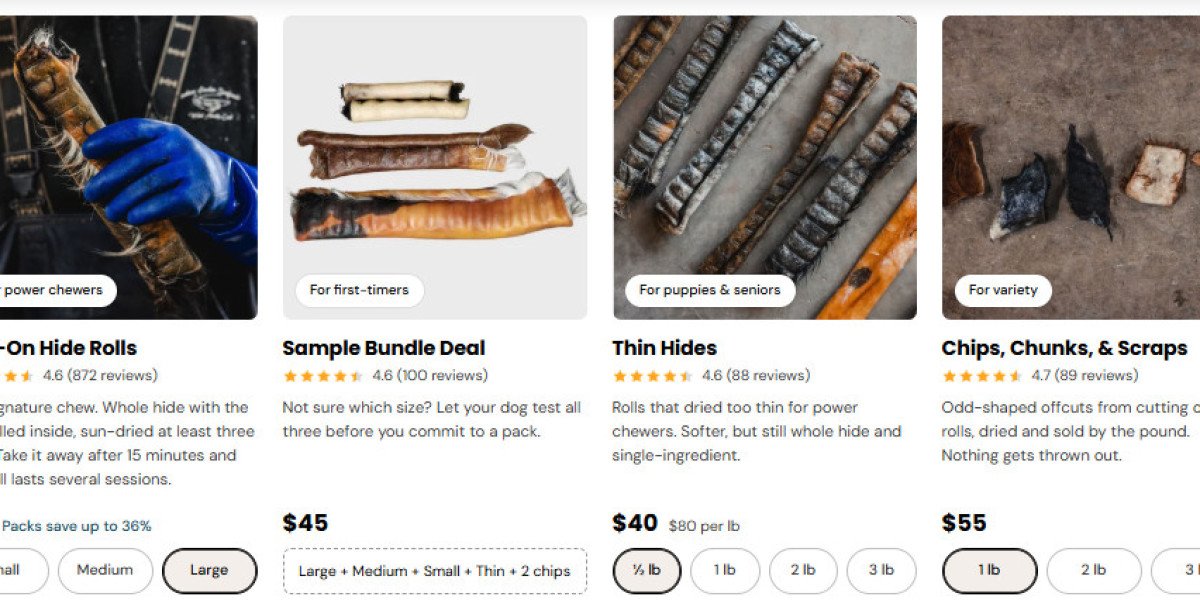
Hide-based chews, including beefhide rolls and chips, are not automatically suitable training rewards for puppies. Their firmness and size may make them inappropriate for young dogs.
Tips for Using Treats During Training Sessions
A simple reward routine can make puppy training more effective and manageable.
- Keep training sessions short and positive.
- Reward the puppy immediately after the desired behavior.
- Use small pieces to avoid overfeeding.
- Introduce new treats one at a time.
- Keep fresh drinking water available.
- Watch for digestive changes or unusual reactions.
- Gradually introduce praise, play, and other rewards alongside treats.
If a puppy experiences repeated vomiting, diarrhea, itching, or another concerning reaction after eating a new treat, stop offering it and contact a veterinarian.
How Ugly Chews Fits Into a Puppy Reward Routine
Ugly Chews offers natural dog chews and single-ingredient treat options, including freeze-dried beef liver treats made from 100% beef liver. These may be considered as occasional rewards when the product's age guidance and the puppy's dietary needs make them appropriate.
Because beef liver is nutrient-rich, portions should remain small. The brand also offers beefhide rolls, chips, chunks, and scraps, but these firm chews should not automatically be used as puppy training treats. Their suitability depends on age, size, and chewing ability. Consult a veterinarian before introducing firm hide-based chews to a young puppy.
Final Thoughts
Safe puppy training treats should be small, easy to manage, and appropriate for the dog's age and dietary needs. Soft puppy treats, tiny pieces of plain cooked chicken, and selected fruits or vegetables can provide variety during positive training sessions.
Keep rewards limited, introduce new ingredients gradually, and avoid foods that are toxic or difficult to chew. With suitable treats and consistent practice, owners can make training a positive part of their puppy's daily routine. Ugly Chews offers simple-ingredient treat options, but always check age guidance before adding a new product to a puppy's diet.
Frequently Asked Questions
1. What are the safest treats for puppy training?
Small, soft puppy-specific treats and tiny pieces of suitable plain cooked chicken can work when offered in appropriate portions.
2. How often should I reward my puppy during training?
Reward desired behavior consistently during early training, using tiny portions and accounting for all treats in the daily calorie intake.
3. Can I use regular dog treats for puppy training?
Only if the product is labeled or confirmed as suitable for the puppy's age, size, and chewing ability.
4. Can freeze-dried beef liver be used for puppy training?
It may be suitable in tiny portions for some age-appropriate puppies. Check the label, introduce it gradually, and avoid overfeeding.


