
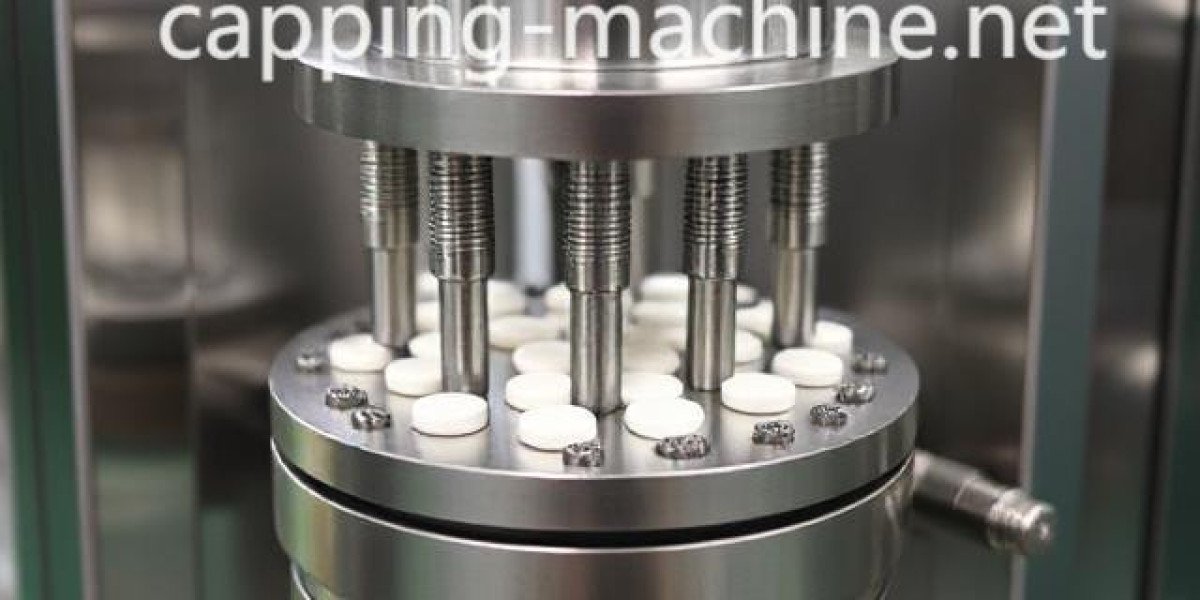
In the evolving packaging industry, a Cap Compression Machine plays an important role in shaping plastic closures with controlled forming processes, consistent structures, and practical production efficiency. Capping-Machine focuses on machinery solutions designed to support manufacturers seeking dependable equipment for cap production. By combining mechanical coordination with carefully arranged processing stages, this type of equipment helps transform plastic materials into functional closures that meet the requirements of different packaging applications.
Plastic caps are essential components in industries ranging from beverages and food processing to personal care, household products, and chemical packaging. Although their appearance may seem simple, their manufacturing requires careful attention to dimensions, structural strength, sealing performance, and surface quality. Compression molding provides an alternative approach to producing these components by shaping prepared plastic material under controlled pressure and temperature conditions. This process allows manufacturers to consider material distribution and closure design while maintaining a structured production workflow.
An important feature of compression-based manufacturing is its approach to material forming. Instead of relying entirely on conventional injection methods, the process uses prepared material that is placed into a mold and compressed into the intended shape. This approach can support different closure configurations and material characteristics according to production requirements. Manufacturers can evaluate mold design, processing conditions, and material properties to achieve the desired balance between appearance, functionality, and manufacturing convenience.
Equipment coordination also influences the overall production experience. Feeding systems, heating arrangements, compression mechanisms, mold assemblies, and product handling units must work together throughout the manufacturing cycle. When these components are properly coordinated, production operators can manage the process more conveniently and maintain a stable working rhythm. Clear equipment layouts also make routine inspection, cleaning, and maintenance easier to organize.
Another consideration is the flexibility required by modern packaging manufacturers. Different customers may request closures with varied shapes, colors, thread structures, sealing features, and surface finishes. Production equipment should therefore accommodate suitable mold configurations and allow manufacturers to adjust processing arrangements according to specific product designs. Such adaptability helps businesses respond to changing packaging requirements without treating every new order as an entirely separate manufacturing challenge.
Material utilization is another relevant factor when selecting production equipment. Manufacturers increasingly pay attention to how raw materials move through the forming process, how processing conditions influence finished products, and how production arrangements affect operational expenses. A carefully configured compression system can help businesses manage these considerations while maintaining attention to product consistency. The relationship between mold quality, temperature control, pressure application, and material characteristics remains essential throughout the manufacturing process.
Beyond the machine itself, equipment selection should involve a broader evaluation of production needs. Factory space, operator experience, existing manufacturing arrangements, maintenance accessibility, and future product development plans can all influence purchasing decisions. Understanding these requirements before choosing equipment helps manufacturers identify a configuration that fits their actual working environment.
Reliable technical communication is equally important during equipment selection and implementation. Buyers may need information about machine structure, mold compatibility, production procedures, installation arrangements, and after-sales support. Clear communication between equipment suppliers and manufacturers helps establish practical expectations and supports smoother cooperation throughout the purchasing process.
As packaging designs continue to evolve, cap manufacturing equipment must remain adaptable to changing materials, closure structures, and production expectations. Manufacturers benefit from considering not only the immediate forming process but also the complete working environment in which the equipment will operate. A thoughtful approach to machinery selection can support organized production, easier process management, and long-term manufacturing development.
Your next packaging project could begin with a different perspective on cap production. Visit https://www.capping-machine.net/product/ and take a closer look at the machinery possibilities, technical solutions, and production concepts waiting behind the next click.


